
Lombok
The island
Bali once was.
More nature. Emptier beaches. Warmer water. And the same trajectory Bali travelled twenty years ago — only this time, with the mistakes remembered.
The place
An island of coasts, ricefields and volcanoes.
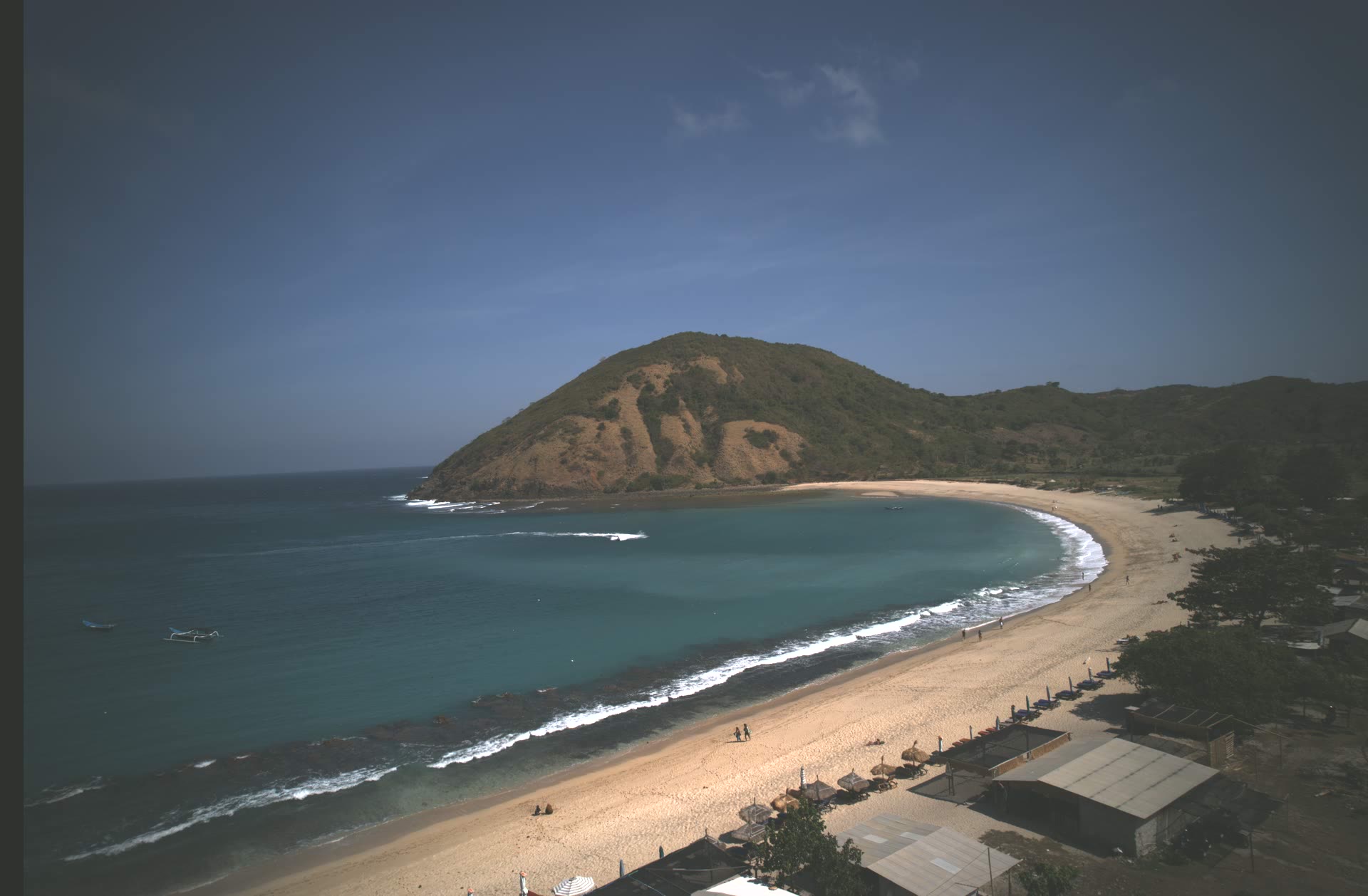
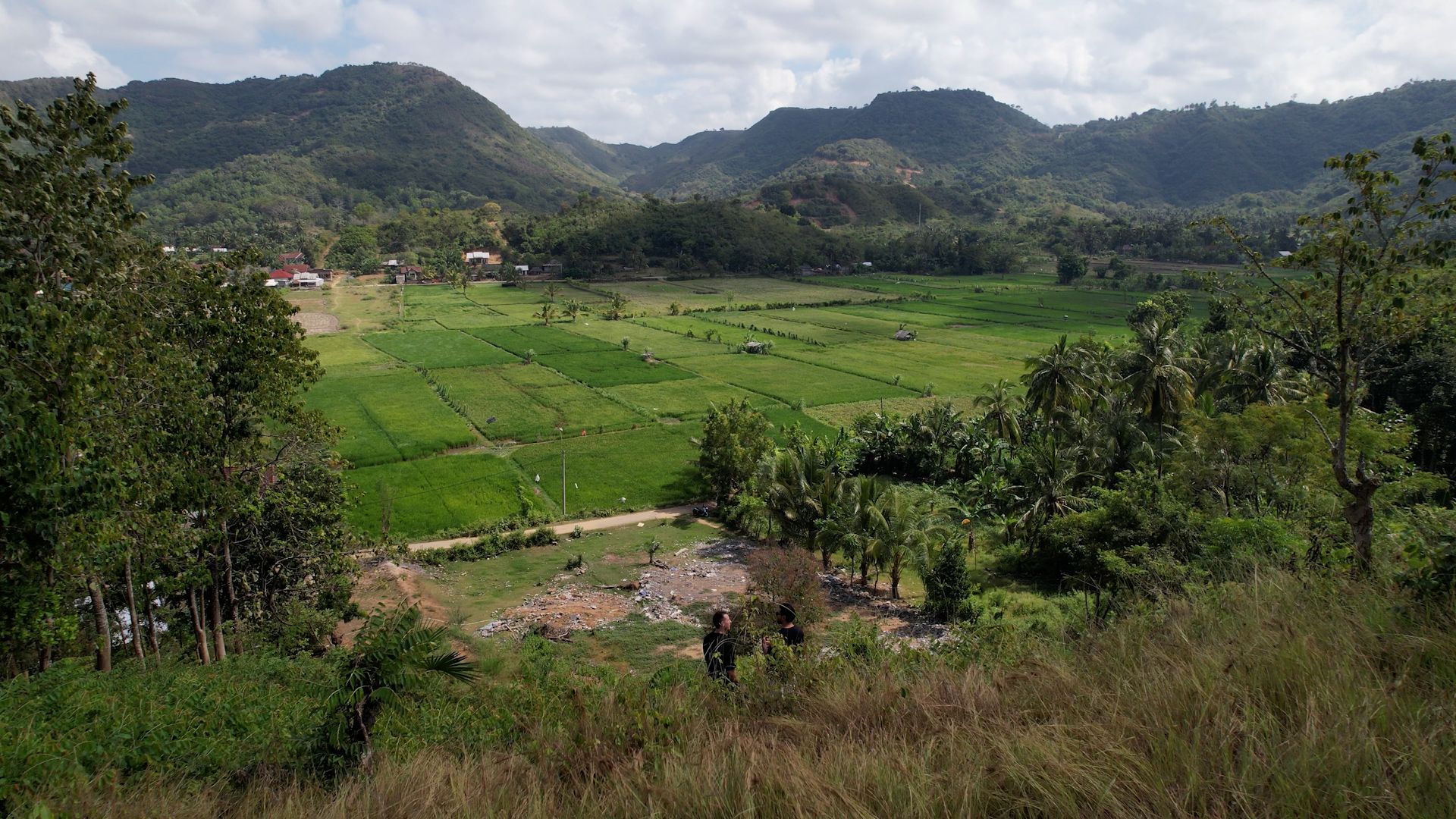
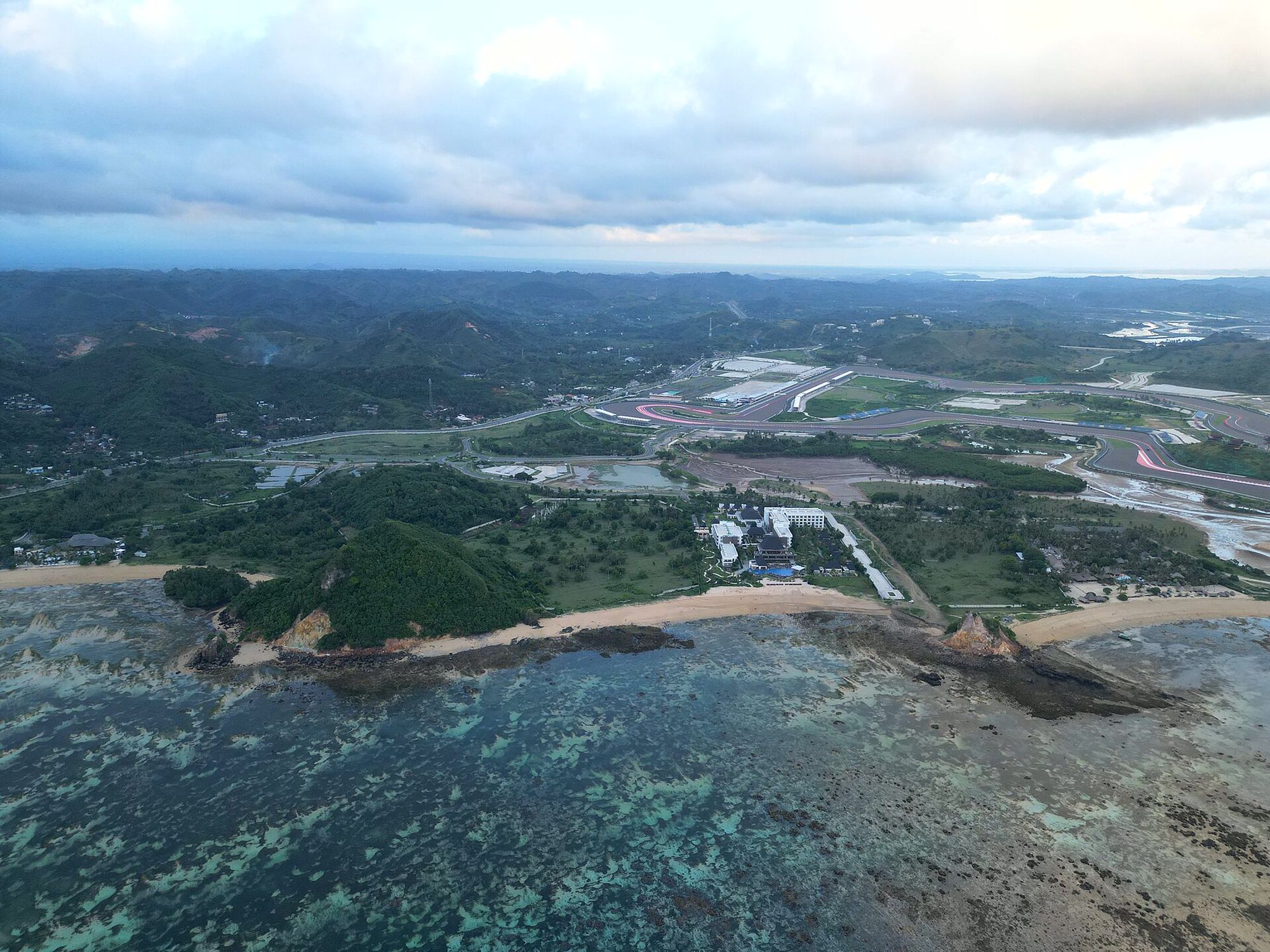
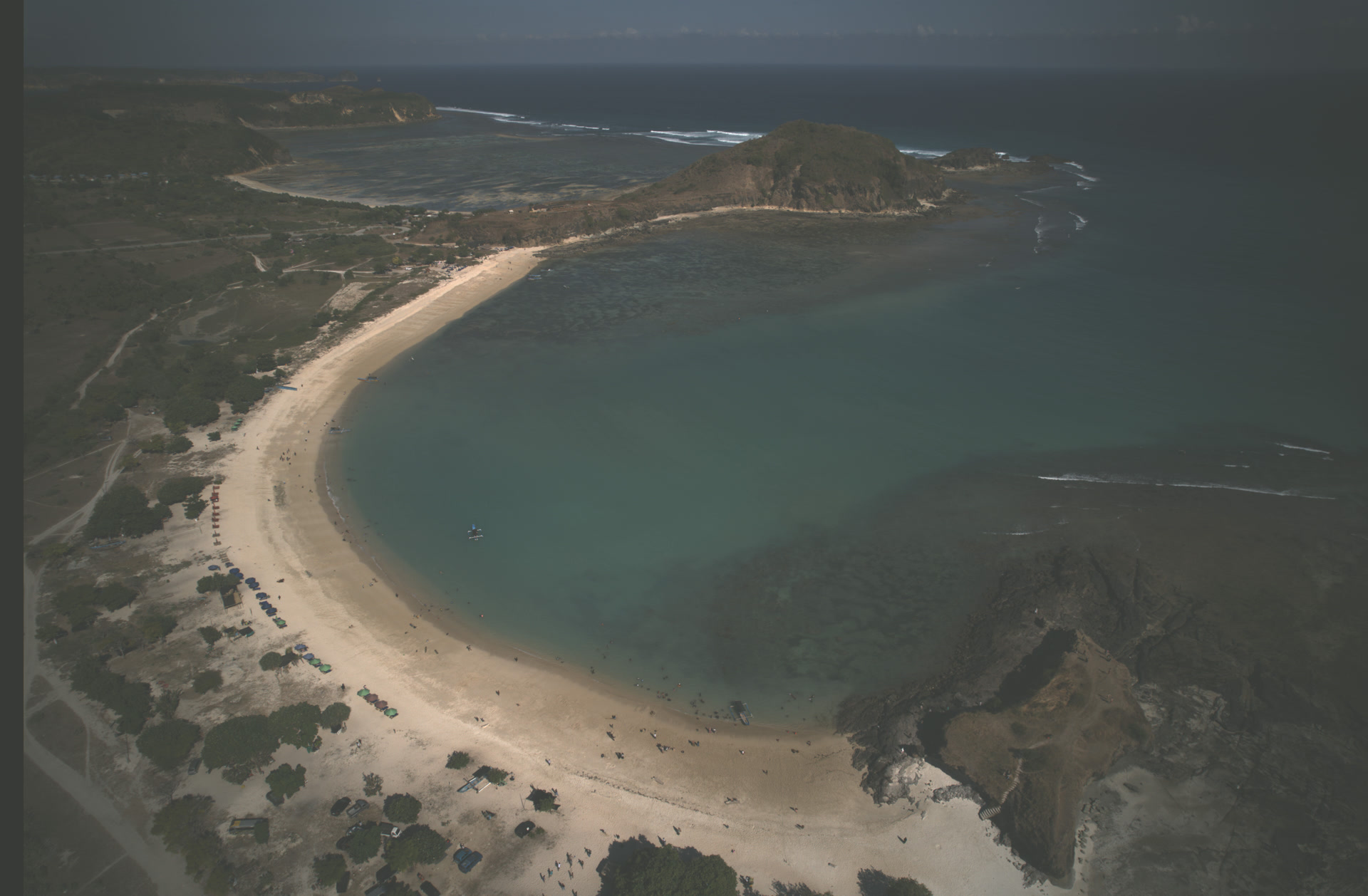
Lombok sits directly east of Bali — close enough to share the same monsoons and the same warm sea, far enough to have been overlooked for a generation. The result is an island that still looks the way South-East Asia looked in photographs from the eighties: long crescent bays with nothing on them, ricefields that fall to the coast, villages threaded through coconut groves, and Mount Rinjani rising over everything like a quiet, cloud-wrapped presence.
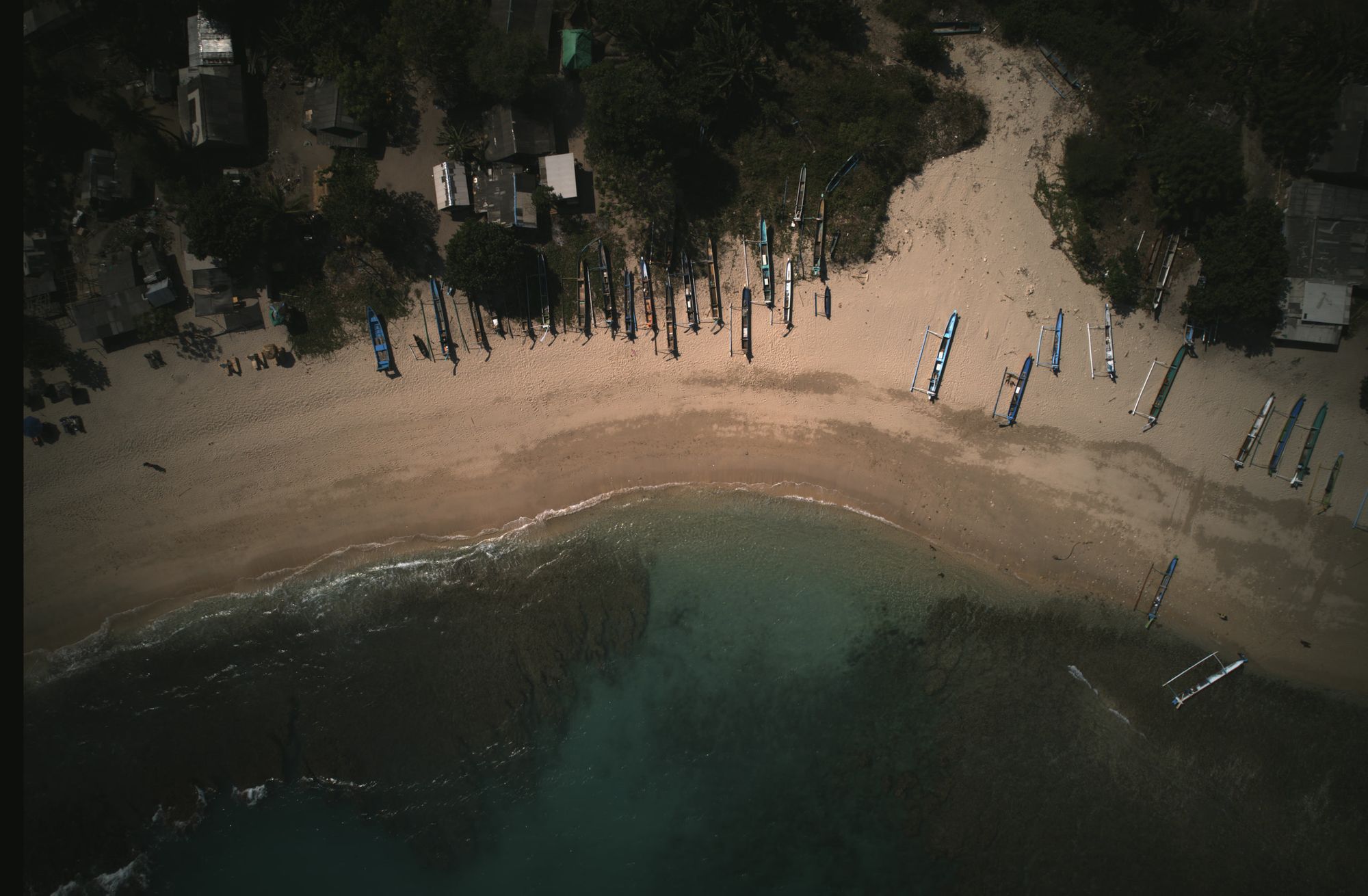
The south coast — where we work — is a sequence of headlands and sheltered bays facing the Indian Ocean. Crystalline water. Empty sand. Ricefields planted right up to the cliff edge. It is one of the last coastlines in Indonesia where you can stand on a beach at midday and hear only the surf.
Why now
The Bali of
twenty years ago.
In the early 2000s, Canggu was ricefields. Uluwatu was a surf break with a warung. Land on Bali's southern coast sold for a fraction of what it now commands, and the people who bought early — quietly, patiently — watched a village turn into an international market.
Lombok today is on the same curve, roughly two decades behind. International arrivals are climbing year on year. The surf breaks along the south coast are already known to a generation of travellers. Restaurants, small hotels, and boutique villas are appearing — but the island is nowhere near built out. Most of the coastline is still open. Most of the interior is still village and ricefield.
Prices track the story. Land on comparable stretches of the south coast trades at a small fraction of Bali's equivalents. The window for that gap to close is measured in years, not decades.
Different this time
An island being built with the last one's mistakes in mind.
01
A government paying attention
The Indonesian government has watched what unplanned growth did to parts of Bali — traffic, water, and coastline pressure — and is treating Lombok differently. The south coast has been designated a priority tourism zone, with coordinated planning at the regency level and real enforcement of building setbacks and heights.
The message from Jakarta is that this is the flagship — the coast that gets developed properly.
02
Infrastructure, deliberately ahead of demand
Mandalika — the circuit that now hosts MotoGP and World Superbike — was built as a signal. Around it: an expanded international airport twenty minutes from the south coast, sealed coastal roads connecting every bay, grid power and fibre. Direct international flights are increasing each season.
The infrastructure is being put in first, so that when demand arrives, it isn't a scramble.
03
Space, still
Even with the momentum, the south coast of Lombok is not built out. Whole bays remain untouched. Ricefields still run down to the sea. Villages are still working villages. There is room — physical, visual, cultural — for development done at a small scale and with care. That room is the opportunity, and it will not last forever.
Lifestyle
Life on the south coast.
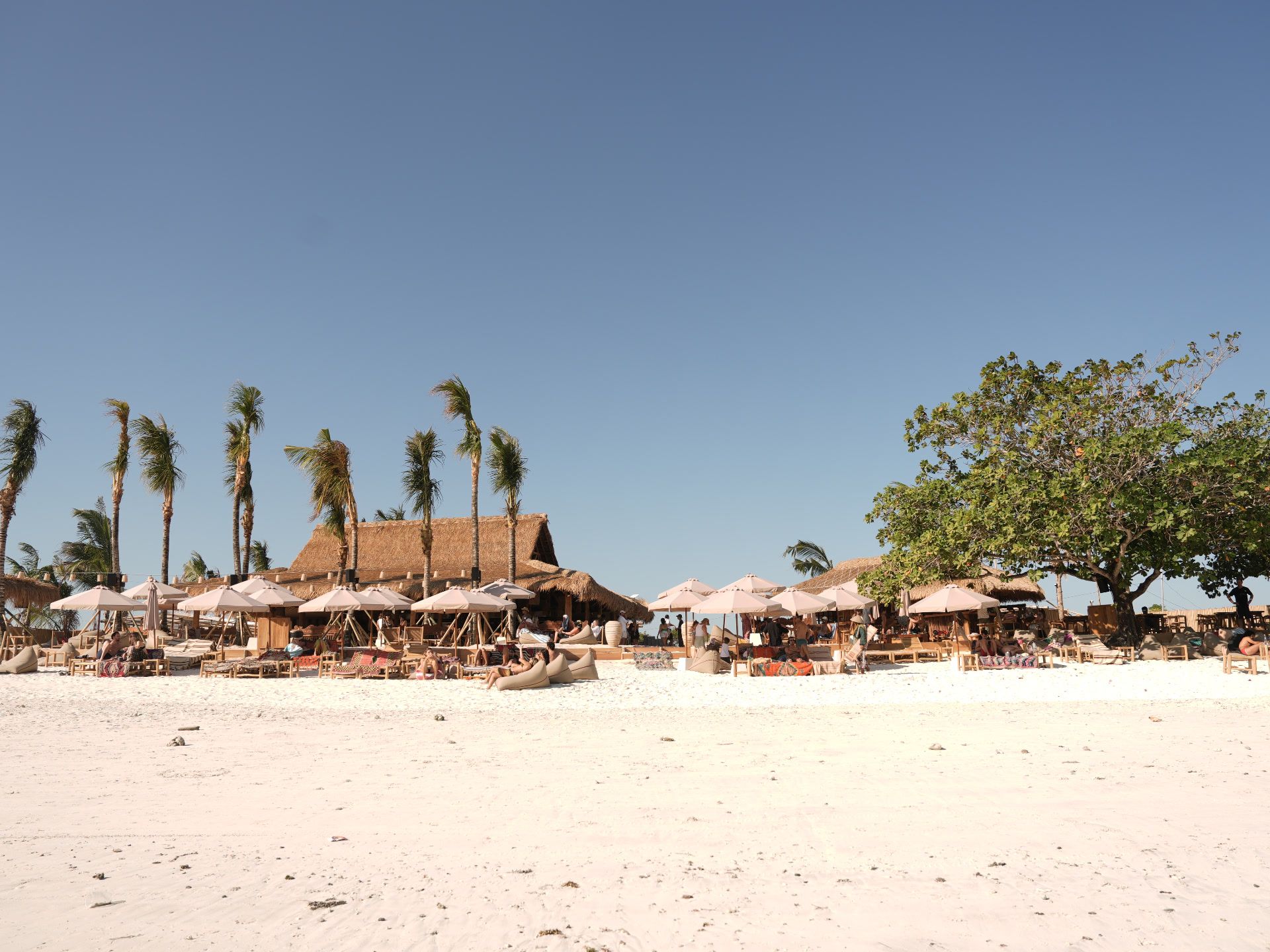
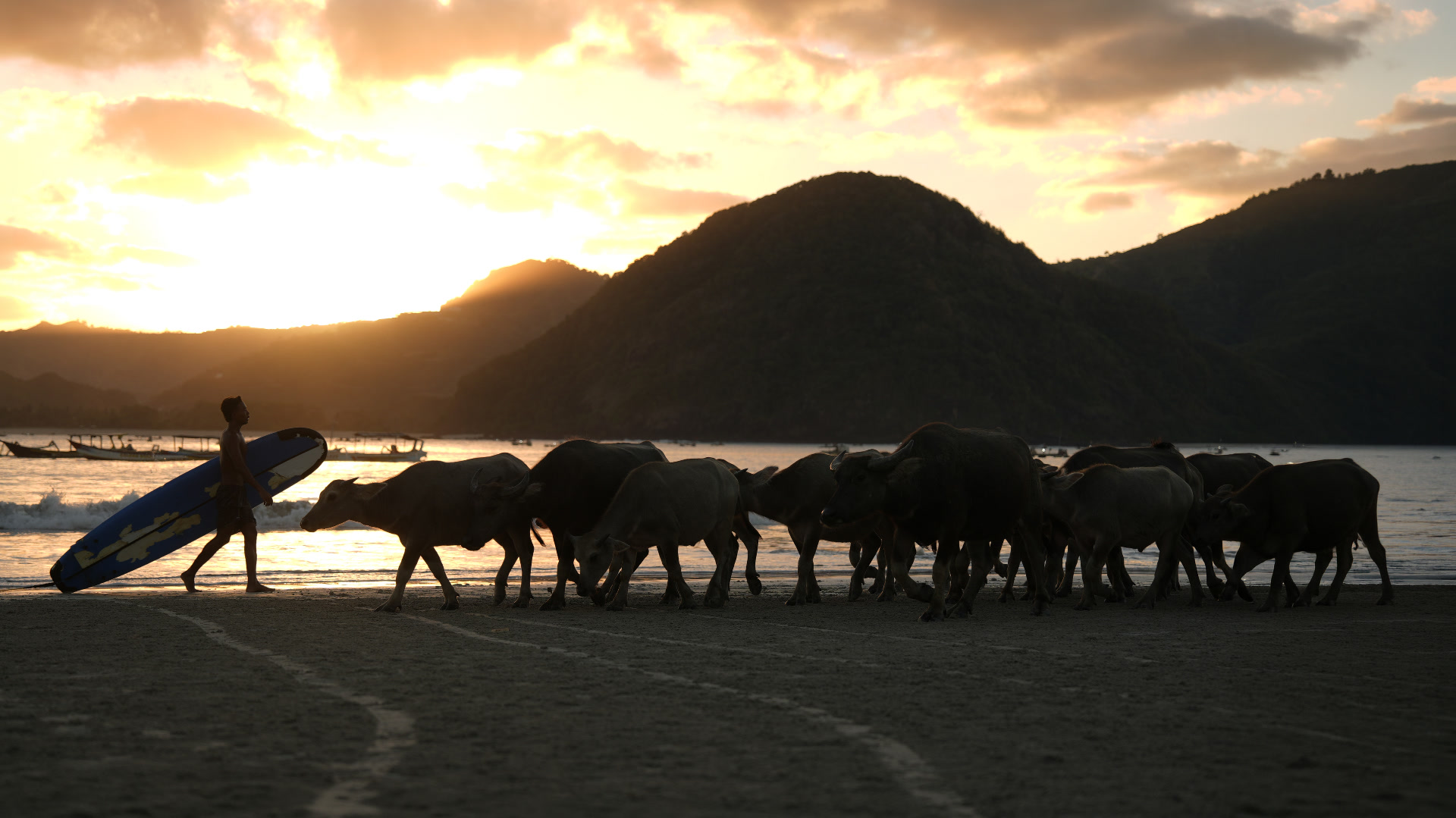
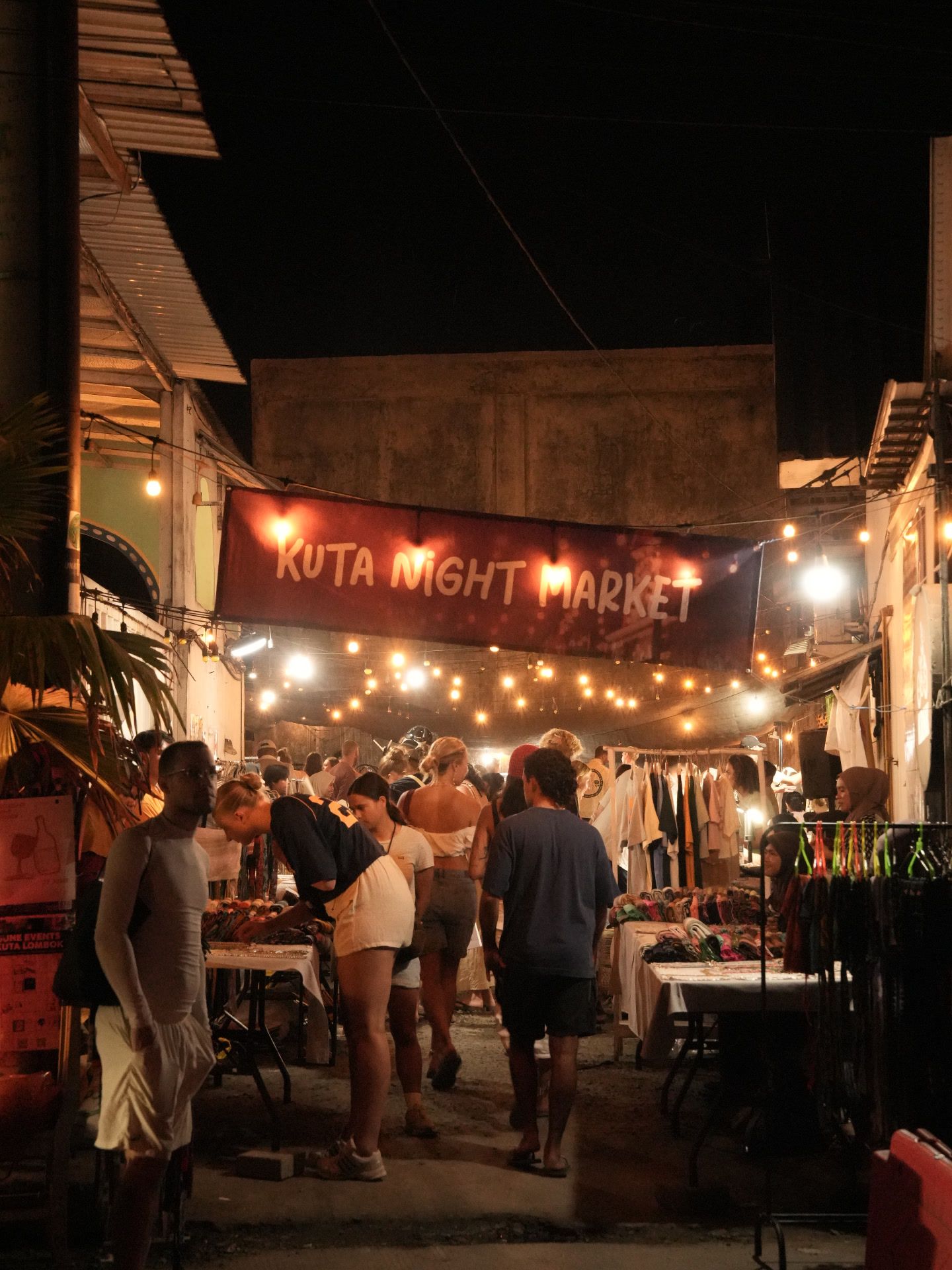
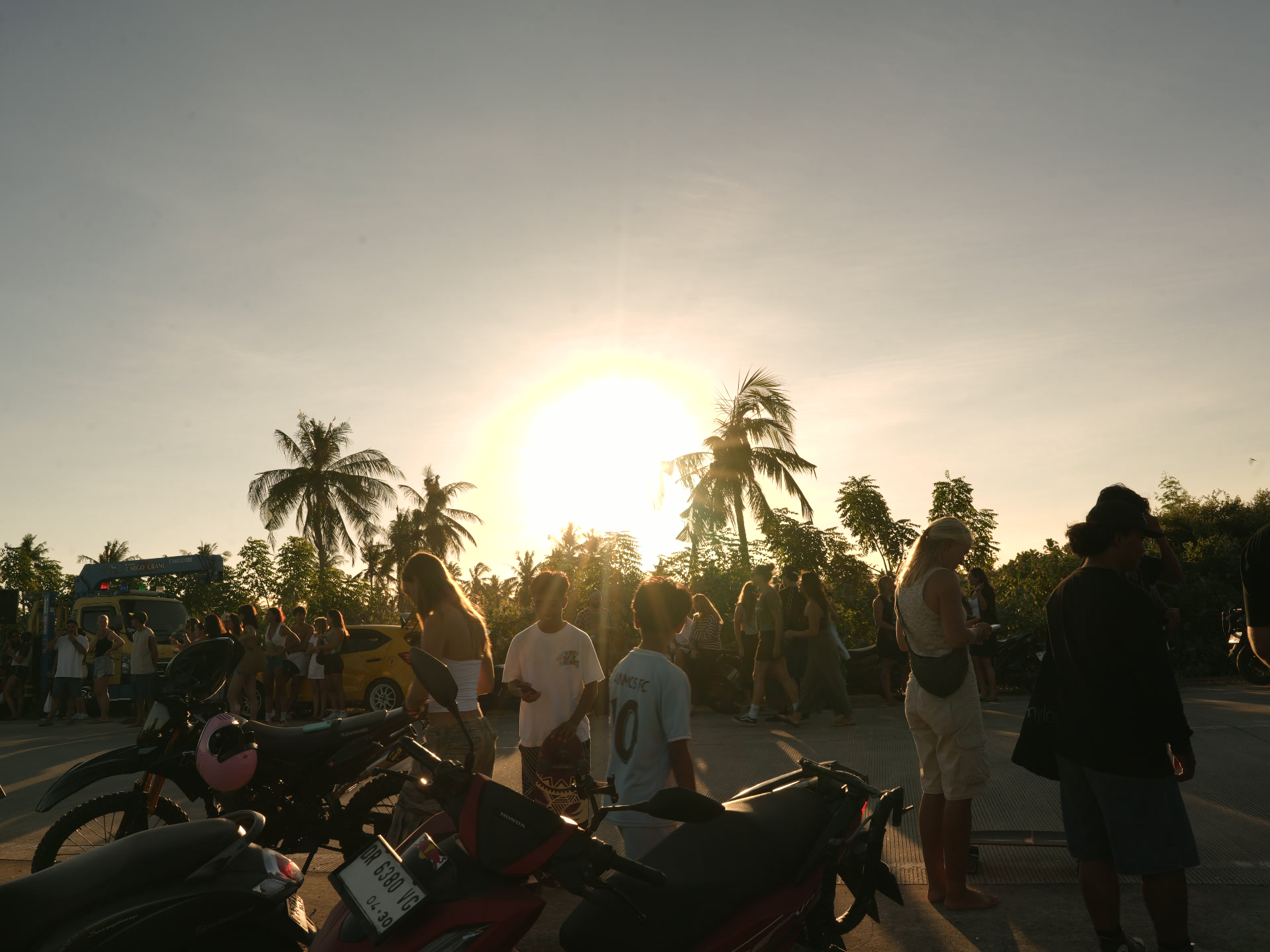
Days here follow the sea and the light. First surf at dawn, when the wind is still offshore and the bays are glass. Breakfast at a warung under the palms. A slow drive along the coast — a different empty beach every ten minutes. Ricefields to walk through in the afternoon, when the heat softens. Fish grilled over coconut husk as the sun drops behind the headland.
The culture is Sasak — Muslim, Balinese-adjacent, and quietly its own. Weaving villages, gamelan music, mosques at the edge of the ricefields. The pace is unhurried. The welcome is real. English is spoken along the coast; the interior still belongs to Bahasa Sasak.
Brochure
Request the Tampah Fields investment brochure.
A considered document. Site plans, the pool detail, ownership framework, timeline, and pricing — sent directly to your inbox.